Nutrients to Prioritize for Mitochondrial Health
WHAT the key nutrients are, WHY they're important, and HOW to get them.

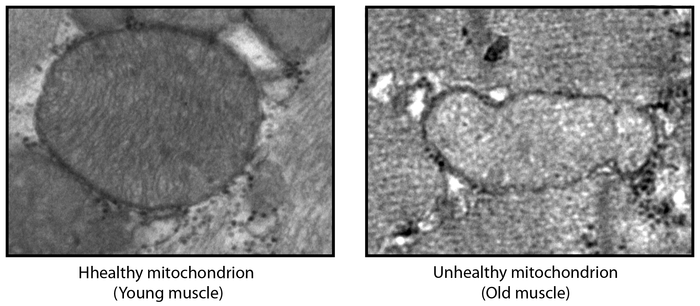
If your mitochondrial health sucks, your energy levels will suck & your life will likely suck. It doesn’t have to be like this, though. Here are some supplements and nutrients that will make a major difference.
The things I am recommending are not meant to be used as a crutch, but rather as tools to be used to aid in the journey.
The main foods/supplements being discussed:
1. Unroasted cacao
2. CoQ10
3. L-Carnitine
4. Alpha Lipoic Acid
5. Magnesium
6. Creatine
7. B Vitamins
ONE: UNROASTED CACAO
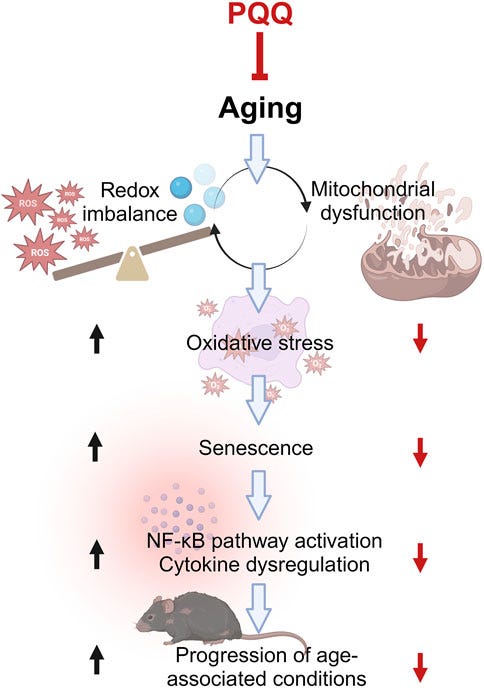
Unroasted cacao is extremely high in something called PQQ.
Some notable PQQ effects:
- Protects mitochondria against oxidative stress
- Aids in mitochondrial biogenesis
- Anti-inflammatory effects
- Stimulates NGF
- Effects ras activity
TWO: COQ10
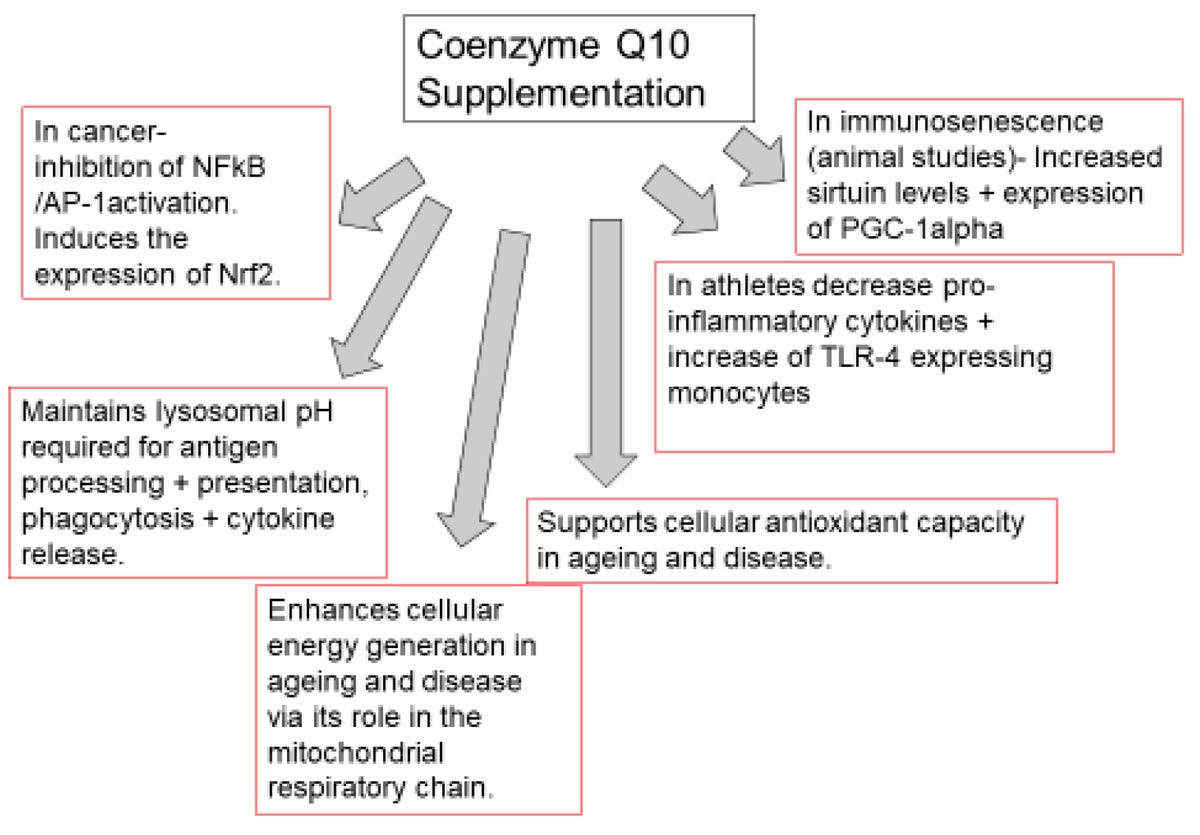
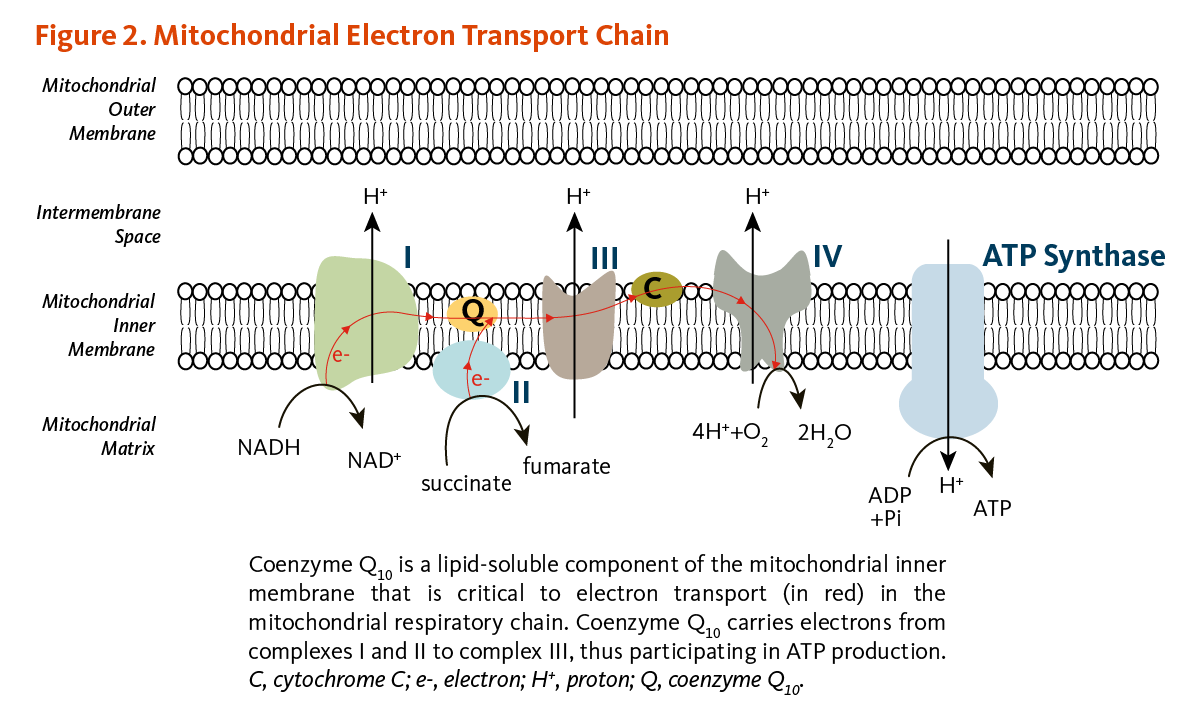
CoQ10 is a crucial ETC component.
Some CoQ10 roles:
- Regulates gene expression & apoptosis
- Plays a role in redox modulation
- Less LDL-C oxidation (good for heart)
- mtDNA protection
As we age, we tend to lose more and more CoQ10. The more CoQ10 we lose, the worse off we are. Statins in particular are horrible for us as they deplete CoQ10, thereby nuking mitochondrial function. When supplementing CoQ10, always go for a pre-emulsified version of ubiquinol.
THREE: L-CARNITINE
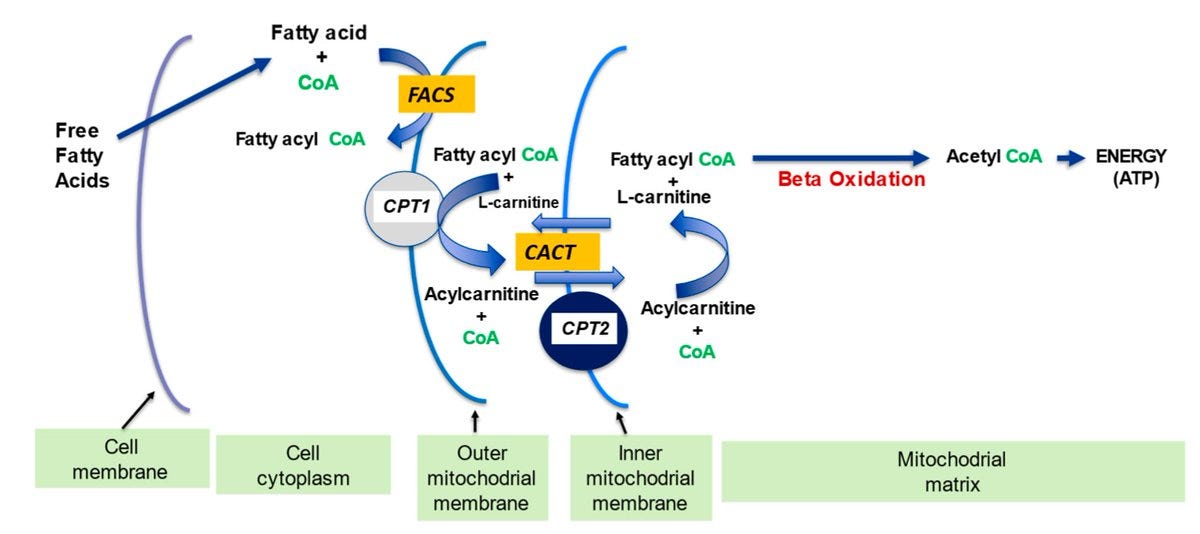
L-carnitine is responsible for shuttling long-chain fatty acids into the mitochondria to be used for energy.
It can help out with:
- Fat loss
- Energy levels
- Lactic acid metabolism
- Muscle recovery
- Androgen sensitivity
FOUR: R+ Alpha Lipoic Acid
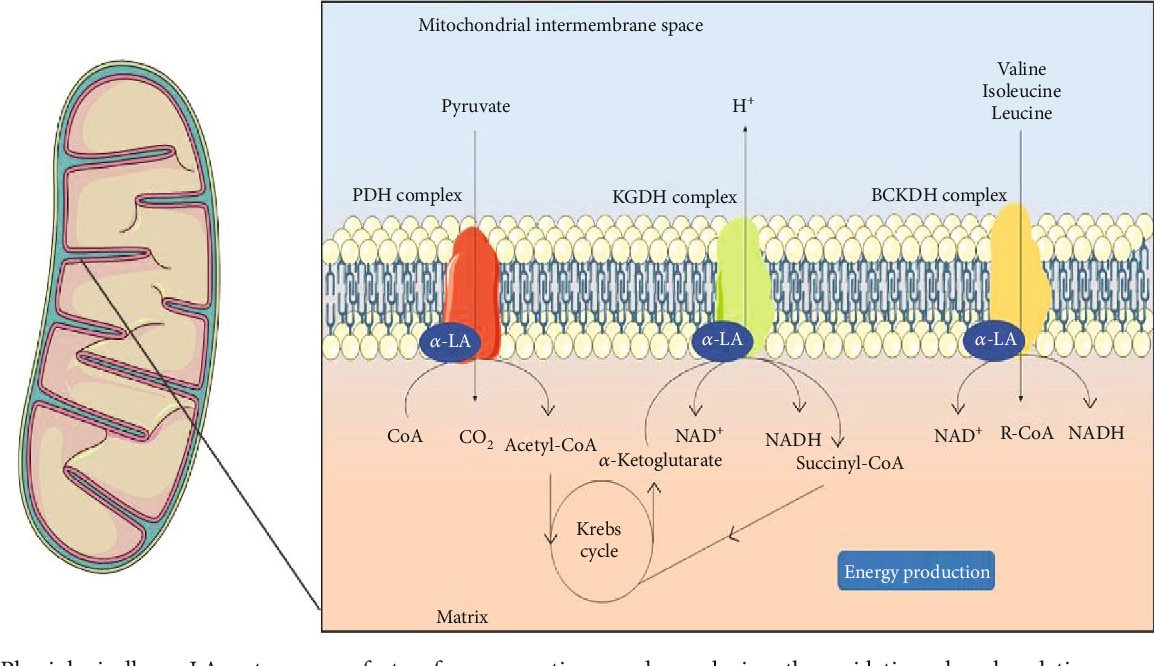
Alpha Lipoic Acid is unique because it's a water-soluble AND fat-soluble antioxidant, making it extremely versatile. In particular, ALA is elite for scavenging free radicals at the level of the mitochondria, making it quite special.
ALA can also be a powerful modulator of the NADH:NAD+ ratio, which has major implications in free radical balance and mitochondrial function as a whole. ALA has even been shown to influence the activation of the sirtuin gene class (anti-aging).
For supplementation, you will want to go with a stabilized version that's refrigerated, that contains the R+ isomer, and does not contain the S- S-isomer as the S- is inactive.
FIVE: MAGNESIUM
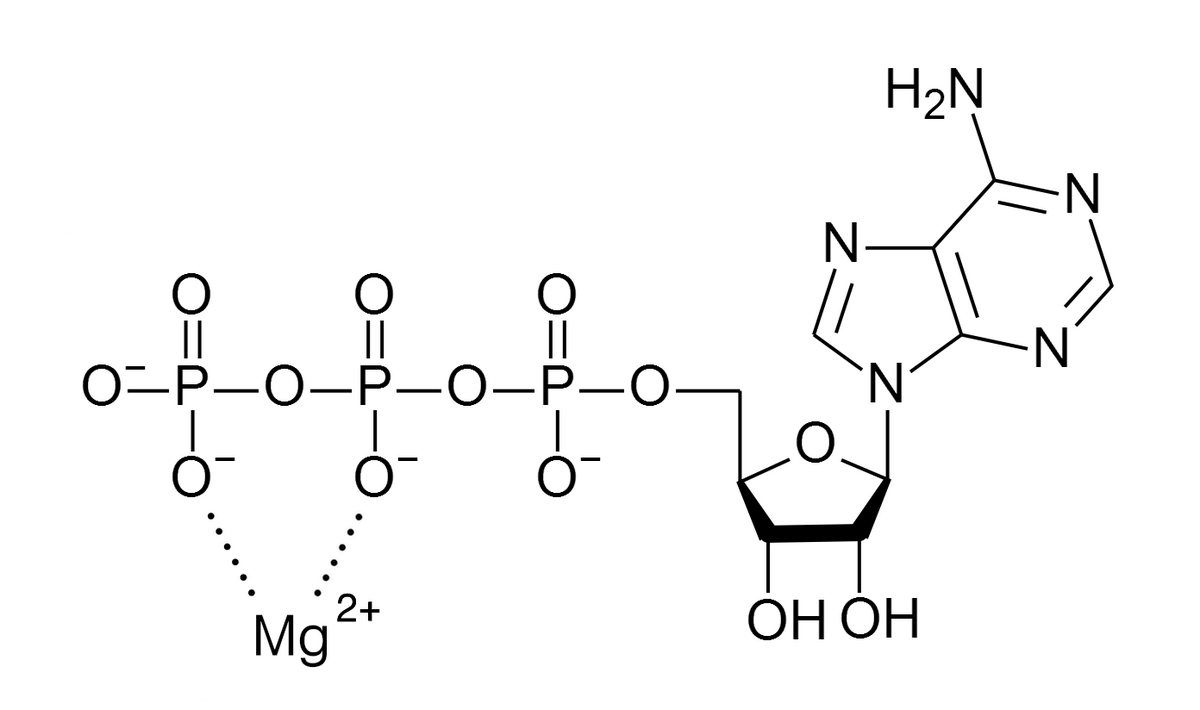
Take your multi-form magnesium. Just do it. It plays a role in ATP stability and over 3000+ biochemical pathways. Almost 90% of adults are deficient in magnesium. We NEED to supplement magnesium as it’s very difficult to get via diet these days.
The best forms:
- Mg Acetyl-Taurate
- Mg Chloride
- Mg Glycinate
- Mg Acetate
- Mg Malate
- Mg Threonate
- Sucrosomial Mg
SIX: CREATINE

Creatine is good for energy because it provides an extra phosphate group to aid in ATP regeneration.
This stuff is good for:
- Muscle recovery
- Brain health
- Heart health
- Methylation status
It's also the most researched supplement in the world and is extremely safe.
SEVEN: B VITAMINS
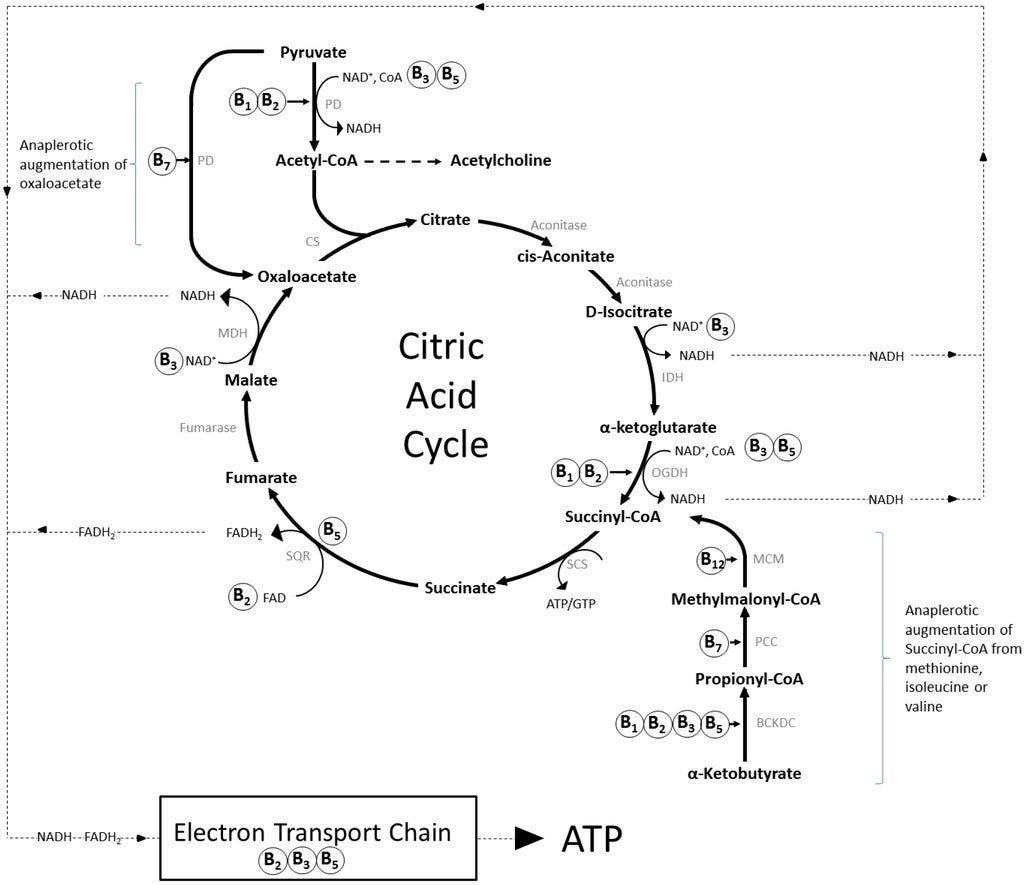
The following B Vitamins are imperative for overall metabolic health: Vitamin B1, B2, B3, B5, B6, B7, and B12. B9 is extremely important as well.
We NEED the right cofactors for these pathways to run correctly.
Thanks for reading! Please remember:
These nutrients are not the ONLY thing that goes into taking care of our mitochondrial health. Additional factors such as circadian rhythm, morning sunlight exposure, UVA/UVB exposure, NIR exposure, redox homeostasis, inflammatory status, methylation status, and gut status are all going to play a MASSIVE role as well. This is what it truly means to heal holistically, though: attacking every angle that we can to find what promotes health and well-being the most.
If you are in need of 1:1 work with things like anemia, methylation issues, gut issues, mitochondrial dysfunction, or complex health issues in general, feel free to book a free discovery call here:
https://calendly.com/chris-mitobio/90min
I stand behind all of these supplements. I’ve experimented with different doses of creatine and have personally found 10g to be the sweet spot for me. How about you?
Over delivering G!