Melanin: The Ancient System Modern Life Is Breaking
Understanding the Science of Melanin Beyond Skin Color: From Brain Health to Cellular Energy

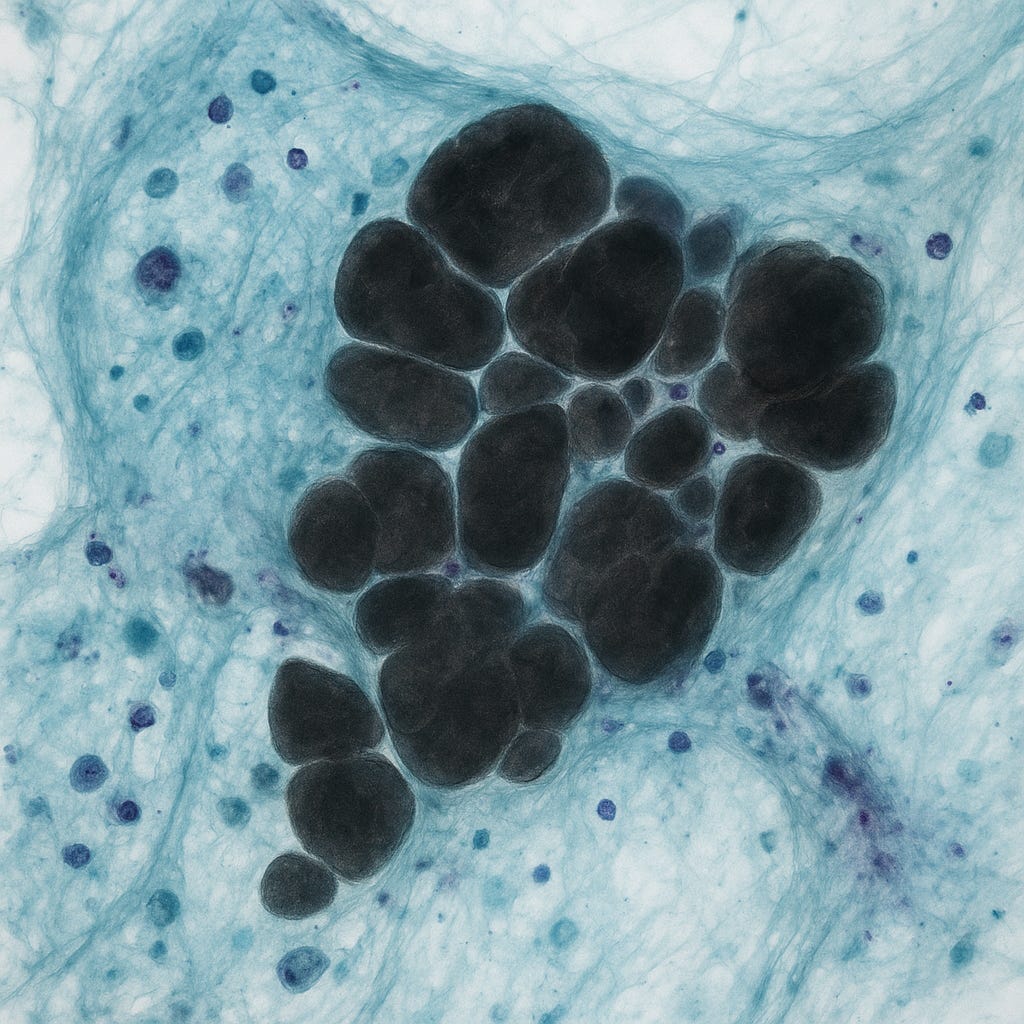
If you're dealing with chronic fatigue, brain fog, or feeling like you age in dog years, there's a system in your body that nobody talks about: melanin. Yes, the same compound that determines skin color also functions as a semiconductor, protects your brain from metal toxicity, and helps regulate your circadian rhythm. And modern life is systematically destroying it.
Most people think melanin just sits in their skin, blocking UV rays. But this molecule operates throughout your body in ways that affect energy, detoxification, and even how your neurons communicate. When melanin fails, a lot of other things fail with it. The research emerging around melanin reads like science fiction, except it's happening inside you right now.
Section 1: Your Body Makes Five Different Types (And They All Do Different Things)
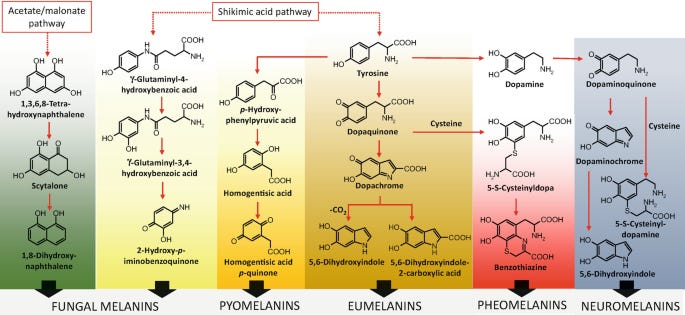
The melanin in your skin isn't the same as the melanin in your brain, and that matters more than you'd think.
Eumelanin is the workhorse everyone knows about. This dark pigment makes up roughly 74% of skin melanin across all skin tones, though the amount varies dramatically person to person. It absorbs everything from UV to near-infrared light and dissipates that energy safely. Without it, every minute in the sun would be writing checks your DNA couldn't cash.
Then there's pheomelanin, the red-yellow pigment that gives some people their auburn hair and freckles. It comes with a catch, though. While eumelanin protects you from UV damage, pheomelanin can actually generate free radicals when exposed to the sun. This is why redheads burn more easily and have higher skin cancer rates despite having the same number of melanocytes as everyone else. Evolution made a trade-off: better vitamin D production in low-sun environments, but increased vulnerability to UV damage.
The real intrigue starts with neuromelanin. This brain-specific pigment only appears in humans and some primates at the levels we see. It starts forming around age three and keeps accumulating throughout your entire life. Unlike skin melanin made by the enzyme tyrosinase, neuromelanin forms when excess dopamine oxidizes in your neurons. The process is almost like your brain creating its own waste management system that turns potentially toxic neurotransmitter byproducts into a protective pigment.
Neuromelanin binds iron at concentrations 7-10 times higher than the surrounding brain tissue. Without this iron sequestration, your brain would be swimming in reactive metals that catalyze the production of hydroxyl radicals. These are the molecular equivalent of bullet holes in your neurons. The pigment also binds copper, zinc, and can even reversibly bind dopamine itself, possibly serving as a neurotransmitter reservoir when supplies run low.
Nature also produces allomelanin in fungi that can survive radiation levels that would kill most life forms, and pyomelanin in bacteria that demonstrates remarkable heat resistance. While fascinating, these non-human melanins remind us how fundamental this molecule is across all of biology, even if their specific properties don't translate directly to human health.
Section 2: The Physics of Melanin (And Why It Matters)
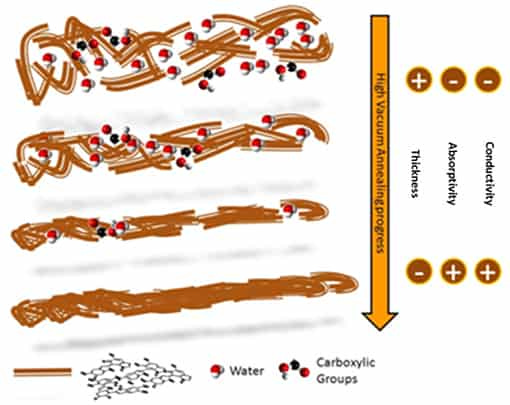
Melanin conducts electricity like an organic semiconductor. When hydrated, its conductivity increases exponentially. In laboratory conditions, when researchers heat-treat melanin, it can reach conductivities of 300 S/cm. That's impressive for an organic material, though nowhere near metals like copper. Still, the fact that a biological pigment conducts electricity at all suggests it might participate in electron transfer processes we don't fully understand yet.
The metal-binding capacity goes beyond simple storage. Neuromelanin has both high-affinity and low-affinity binding sites for iron. The high-affinity sites lock iron away in safe, non-reactive forms. But as we age and iron accumulates, those low-affinity sites start filling up. Once that happens, the iron might still participate in harmful reactions. This could explain why neuromelanin seems protective for most of our lives but might contribute to problems in old age.
Section 3: How Modern Life Wages War on Your Melanin
Let's talk about what's actually degrading your melanin systems, starting with the obvious: you probably don't get enough sun. When your skin lacks UV exposure, it can't trigger the cascade that produces α-MSH, the hormone that stimulates melanocytes. But it goes deeper than just making less pigment. The clock protein BMAL1, which controls melanin production timing, depends on consistent light-dark cycles. Without proper sun exposure, this whole system loses its rhythm.
Chronic stress hammers melanin production through multiple routes. Cortisol directly suppresses the enzymes needed for melanin synthesis. Since dopamine serves as the precursor for neuromelanin in your brain, chronic stress that depletes dopamine means less raw material for this protective pigment. When you're stressed for months on end, your brain literally loses one of its primary defense mechanisms against metal toxicity and oxidative damage. Also, don’t even get me started with what chronic doomscrolling does…
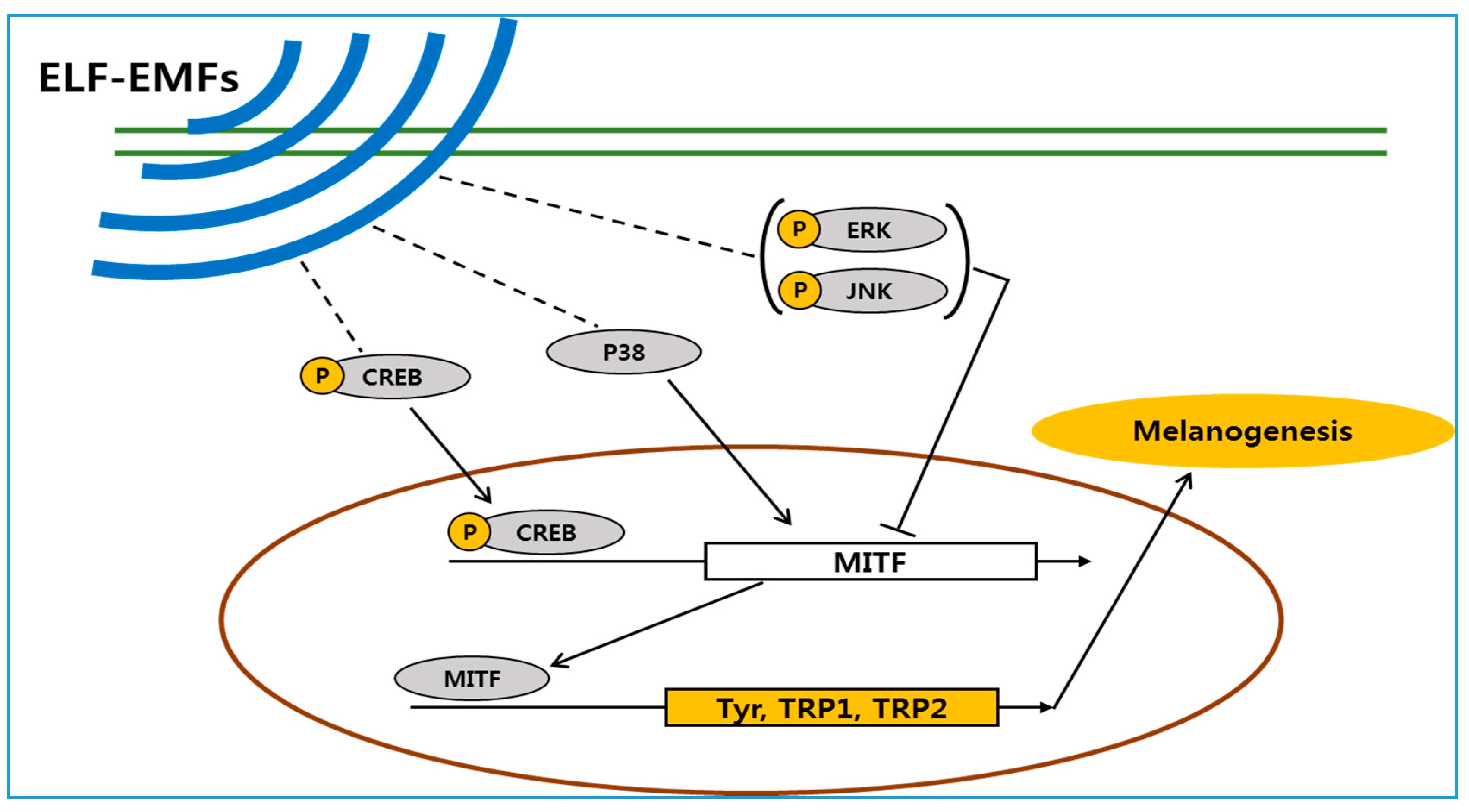
Now let’s talk nnEMFs. Some laboratory studies suggest that extremely low frequency fields from household wiring might affect melanin production, while high-frequency radiation like 5G could have different effects entirely. In other words, we're essentially running a massive uncontrolled experiment on ourselves.
Section 4: Feeding Your Melanin Systems
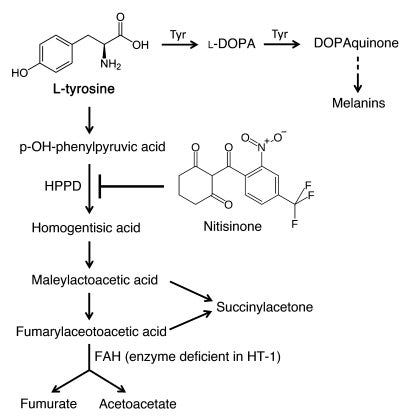
Your body needs specific raw materials to produce melanin, and most people aren't getting enough.
Tyrosine and phenylalanine are the amino acid precursors for all melanin synthesis. You need roughly 25 mg per kilogram of body weight daily, though the exact ratio for optimal melanin production isn't set in stone. A 3-ounce serving of beef, pork, or poultry provides roughly 500-1000 mg of tyrosine. Aged cheeses are so rich in tyrosine that crystals sometimes form on the surface. If you're not eating adequate protein, your body will break down muscle tissue to get these amino acids, which creates a whole cascade of other problems.
Copper might be the most overlooked nutrient for melanin. Tyrosinase, the enzyme that catalyzes melanin production, literally cannot function without copper in its active site. Oysters are the supreme source, but other shellfish work too. Here's the catch: if you're taking high-dose zinc supplements (over 50 mg daily), you're probably blocking copper absorption. Many people supplementing for immune support are inadvertently tanking their melanin production.
Iron plays a complicated role, too. You need it for neuromelanin formation in the brain, but too much iron overwhelms melanin's protective capacity. This is often why both iron deficiency and iron overload correlate with neurological problems. The sweet spot is narrower than most people realize.
The B vitamins support the whole system. B6 is essential for dopamine synthesis. Folate and B12 keep methylation running, which affects neurotransmitter metabolism. These vitamins are fundamental to the biochemical pathways that produce and regulate melanin.
Section 5: Lifestyle Factors That Actually Matter
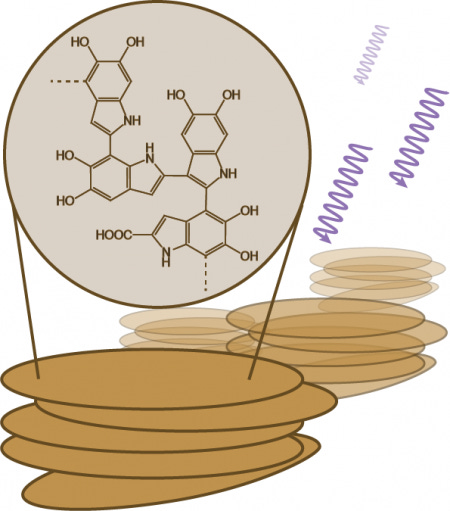
Sun exposure recommendations are all over the map because they depend on your skin type, location, season, and latitude. If you have light skin, you might need just 8-10 minutes of midday sun to stimulate melanin production. If you have dark skin, you might need an hour or more because your existing melanin is already absorbing most of the UV. The UV index needs to be above 3 for meaningful synthesis to occur. The key is consistency, not intensity. Your melanin systems evolved for daily sun exposure, not weekend warrior beach sessions.
Circadian rhythm affects melanin more than most people realize. Morning light exposure within two hours of waking sets your BMAL1 clock, which controls melanin synthesis timing. Avoiding light in the evening preserves this rhythm. This isn't just about melatonin and sleep. Your melanin production follows a 24-hour cycle that gets scrambled when you're staring at screens until midnight. Also, UVA exposure from morning sun on the skin is going to be EXTREMELY important for melanin production.
Managing oxidative stress protects the melanin you already have while supporting new synthesis. The formation of melanin actually generates reactive oxygen species as intermediates, so you need robust antioxidant systems to complete the process without damaging surrounding tissues. This means eating colorful plants, grounding your feet to the bare earth, managing inflammation, and not overwhelming your system with toxins it has to process.
Section 6: The Bottom Line
Melanin is far more than a simple pigment, but it's not a magical cure-all either. It's a sophisticated biological system that modern life challenges in ways our bodies haven't evolved to handle. Low sun exposure, chronic stress, excessive blue light, and nnEMF all potentially impact melanin function, and it needs to remain our mission to optimize our melanin status to the best of our ability for the sake of our health.
Supporting your melanin systems just makes sense as part of overall health optimization. Eat adequate protein for amino acid precursors. Get copper from shellfish and balance your zinc intake. Expose yourself to appropriate amounts of sunlight for your skin type. Maintain consistent circadian rhythms. Manage stress and oxidative burden. These interventions support not just melanin but hundreds of other biological processes.
Overall, the emerging research on melanin is genuinely exciting, from its semiconductor properties to its role in neurological health. As we learn more, we'll probably discover that this ancient molecule is even more important than we currently realize.
This is really amazing! God's creation is beautiful.