Iron Deficiency Anemia Protocol

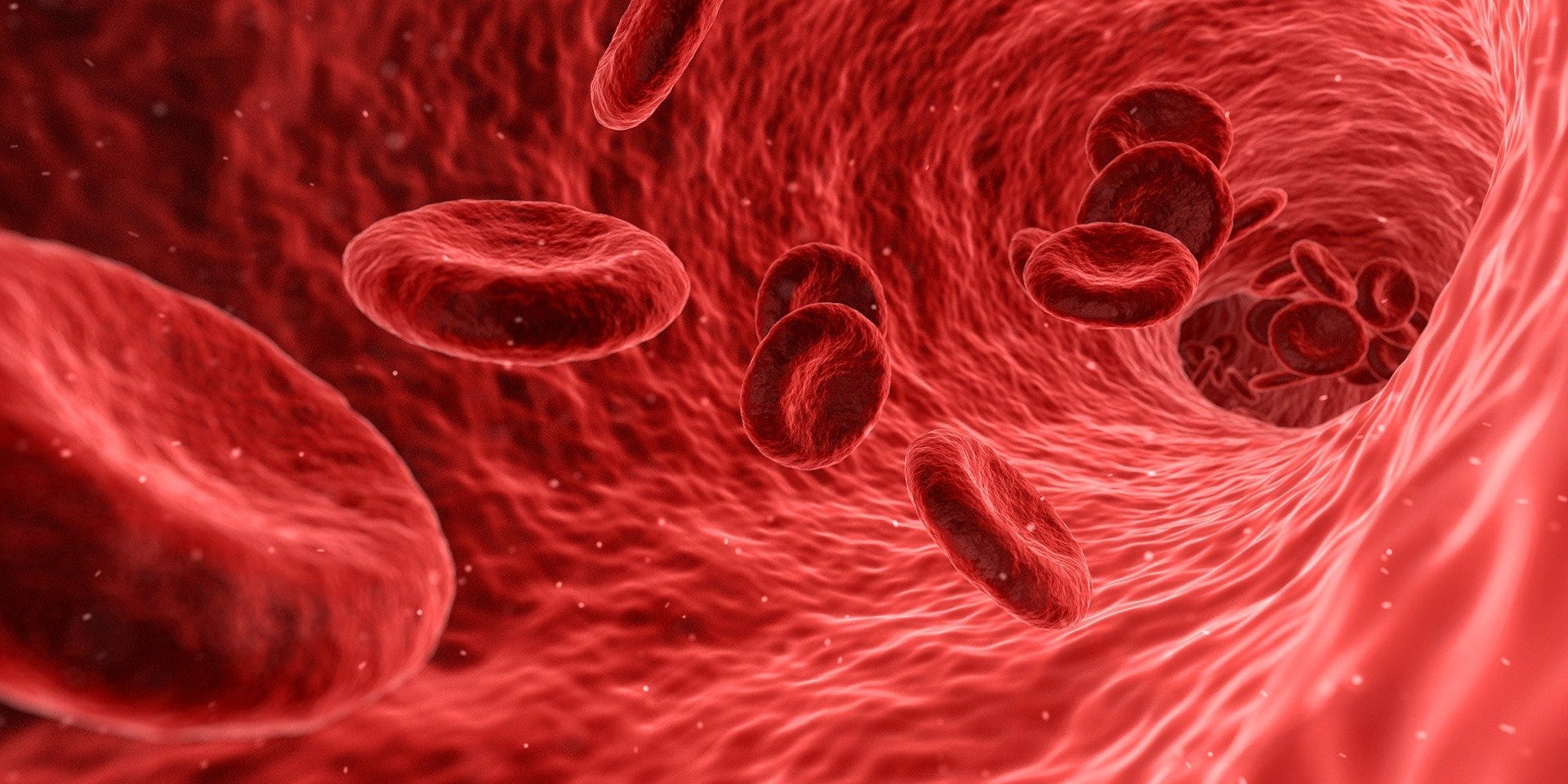
Iron anemia represents much more than just a simple nutritional deficiency. While affecting over 1.2 billion people worldwide, the pathophysiology of iron anemia often involves multiple factors such as iron homeostasis, inflammatory signaling, and cellular metabolism.
At its core, iron metabolism is regulated by hepcidin, the iron-regulatory hormone produced primarily by the liver. In states of inflammation, infection, or chronic disease, hepcidin is often upregulated via IL-6 and other inflammatory cytokines, thereby sequestering iron in macrophages and hepatocytes while blocking duodenal absorption of iron.
This can create a functional iron deficiency despite potentially adequate total body stores. Not only this, but impaired recycling of senescent red blood cells, duodenal malabsorption due to gut inflammation or dysbiosis, and accelerated RBC turnover can all contribute to the anemic state.
This story can become even further complicated by things like:
Mitochondrial dysfunction (which can affect erythropoiesis and cellular iron utilization)
Copper deficiency (which can impair ceruloplasmin and iron oxidation)
Gut barrier dysfunction (which can reduce iron absorption while simultaneously increasing the inflammatory burden)
Genetic polymorphisms
When investigating a client with iron anemia, I typically assess:
